Introduction: Silent Protectors at Sea
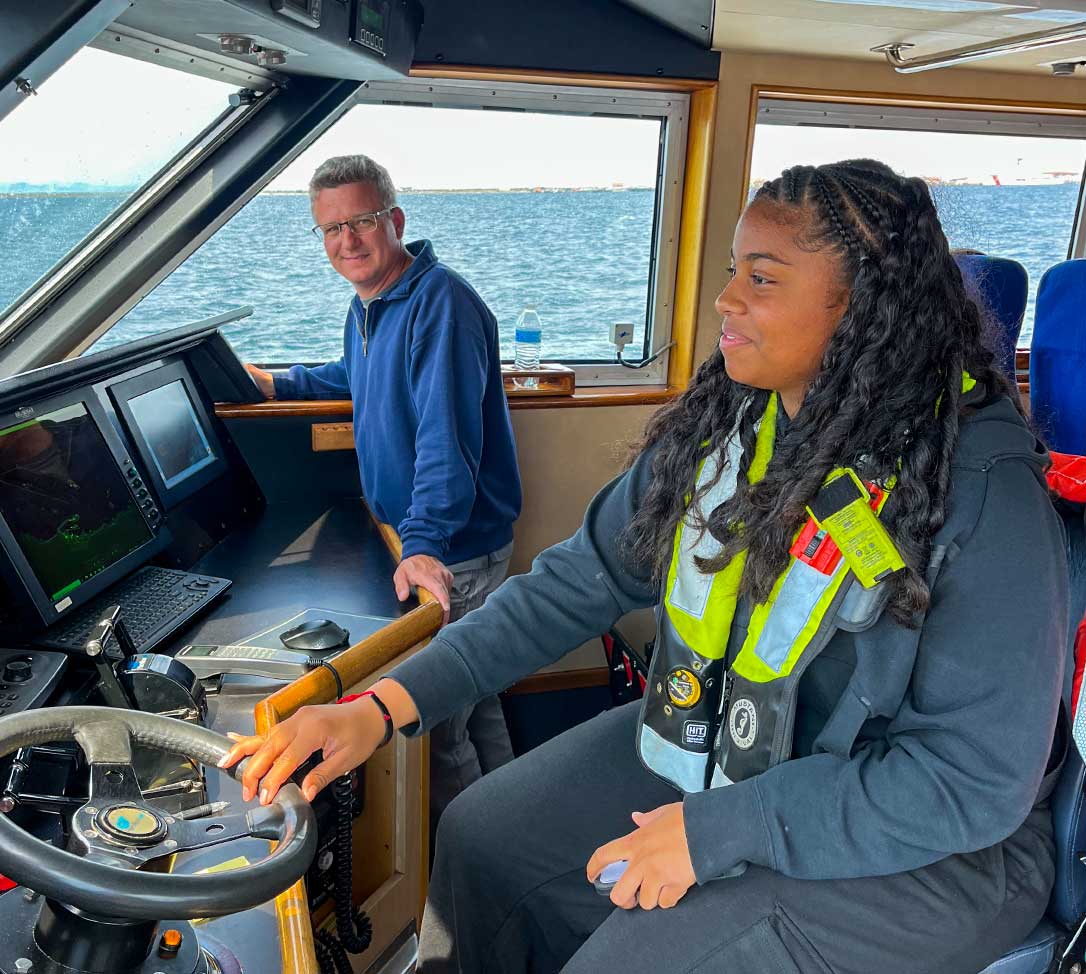
When a massive tanker or cruise ship enters Puget Sound, most people notice the tugboats and cranes. What they don’t see are the Puget Sound Pilots — highly trained mariners who board vessels and guide them through one of the most complex waterways in the world.
Their mission is simple but critical: to ensure safety, protect the environment, and keep maritime commerce moving smoothly. The pilots operate within the Puget Sound Pilotage District under strict safety standards.
“Pilots are the first American presence onboard tankers and foreign vessels entering Puget Sound waters.”
— Puget Sound Pilots
Becoming a Puget Sound Pilot
Joining the Puget Sound Pilots is no small feat. The selection and training process is one of the most demanding in the maritime world.
Applicants must:
- Have 2–4 years of experience as a vessel master, depending on background (requirements)
- Pass written exams and simulator assessments on ship handling and situational awareness
- Complete hundreds of observation trips over 18+ months
- Earn a U.S. Coast Guard first-class pilotage endorsement and demonstrate deep local knowledge
Every pilot must learn the waterways, tides, ports, and hazards of Puget Sound in precise detail. It’s a process that produces some of the most capable mariners in the world.
Safety, Accountability, and Public Value
The Puget Sound Pilots maintain an extraordinary safety record: over 200,000 transits in the past 25 years without a major incident (source).
They are also a public resource. Pilot services are funded by fees on shipping companies, not taxpayers. The cost of pilotage averages just 0.23% of total voyage cost, while helping prevent catastrophic environmental and economic losses (details here).
Pilots also play key roles in:
- The Puget Sound Harbor Safety Committee
- Area Maritime Security Committees
- Environmental and emergency planning initiatives
These mariners are not only navigators—they’re the guardians of Puget Sound.